Summer is genuinely one of the harder times to visit the Holy Land , but its also one of the most popular, and people do it right every year. What you're actually dealing with: temperatures that hit 33°C in Jerusalem and push past 40°C near Jericho, crowds that clog the Old City by 10am, and a rhythm of the day that you need to learn before you arrive, not after.
I've been guiding tours here for over fifteen years. January cold, August heat , I've walked these sites in all of it. And honestly?
Summer visitors who plan properly often have a better experience than spring visitors who dont.
Let me tell you how to do it right.
First , Yes, It Is Hot (Let's Be Real About That)
July and August in Jerusalem average around 30-33°C (86-91°F). I'm not a meteorologist, but that sounds manageable on paper , and the saving grace really is the humidity. Jerusalem sits at around 800 meters elevation and summer humidity hovers at 20-30%, which is low by any standard. You're not walking through the wet heat of Florida or Bangkok. It's a dry heat. There's a difference.
But. Jericho is 250 meters below sea level and regularly hits 40-42°C in July. The Dead Sea area is similar. Standing in the sun on a black stone plaza at noon in Jericho is a completely different experience. I'm not trying to scare anyone , just being straight with you, because I've watched people turn white in that heat and genuinely not understand what was happening to them.
The practical rule: start everything before 9am. Take a long break from noon to 3pm. Resume in the late afternoon when the light is actually beautiful and the crowds have thinned. This isnt some special local wisdom , it's just how people have lived in this climate for thousands of years.
The heat is not a reason to cancel your trip. It's a reason to plan it differently.
What Summer Actually Looks Like at the Holy Sites
Jerusalem Old City
Roughly one square kilometer of limestone, ancient streets, covered souks, and the holiest sites in Christendom. In summer, between 10am and 2pm, it's also genuinely packed. Shoulder-to-shoulder in places.
The Via Dolorosa at 7am is a completely different street than it is at noon. Early morning , you hear the echo of your own footsteps. A few shopkeepers rolling up their shutters. The stone still cool beneath your feet. By midday? Entirely different. Tour groups from eight different countries navigating the same 3-meter-wide lane at the same time.
The Church of the Holy Sepulchre opens at 5am. I mean that literally. Come at 6am on a summer morning and you'll have places to yourself that normally require standing 40 minutes in a queue. Come at 11am and you'll understand immediately why I'm telling you this. Not even close.
The covered parts of the Muslim Quarter and Christian Quarter souks provide real shade , more than people expect. And the Church itself, inside, is cool. Genuinely cool. The thick stone walls do their job. Once you're in, the heat isnt the problem. Getting to the front of the queue is.
One thing no list tells you: if you're searching "what to see in Jerusalem," you'll find the same 10 sites everywhere. What no one mentions is that the order and time you visit them matters more than the list itself. That's the real planning.
Bethlehem in Summer
Here's something most visitors dont realize: Bethlehem in July and August is honestly quieter than spring. A lot quieter.
That's a feature, not a bug.
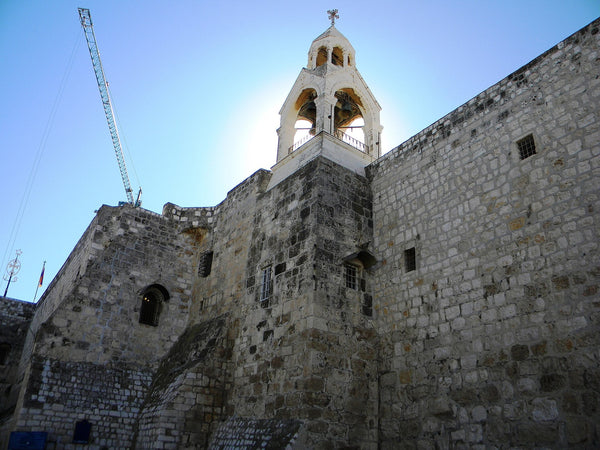
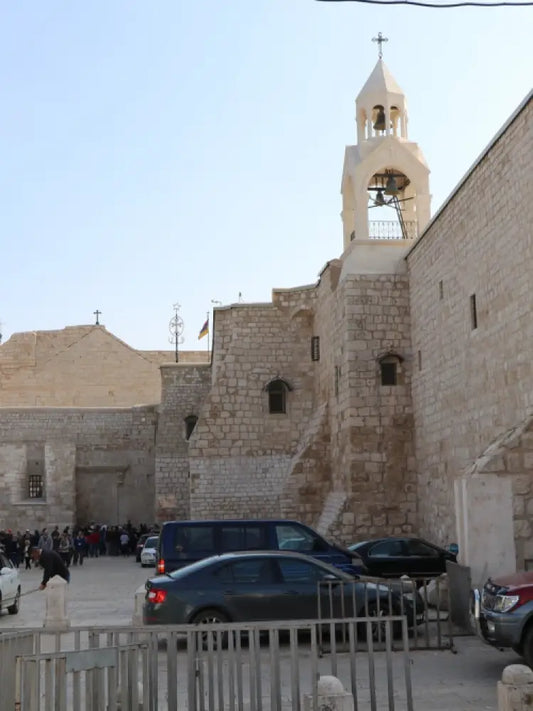
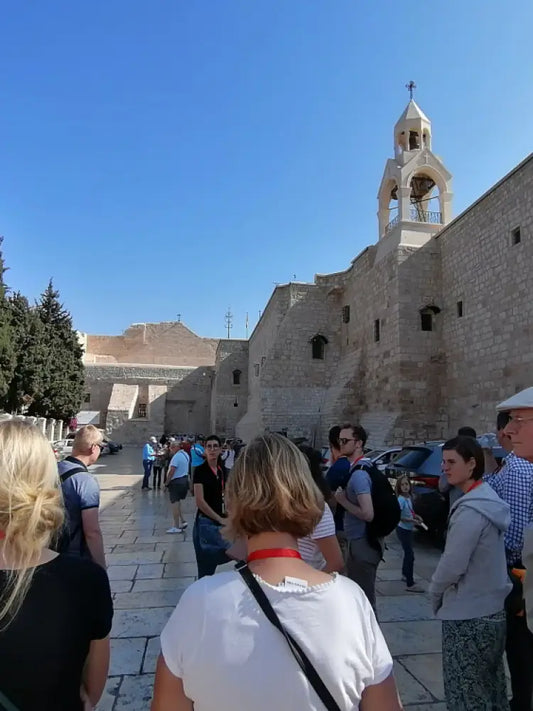
The big pilgrimage groups come for Easter and Christmas. Summer is families, independent travelers, smaller private groups , which means the Church of the Nativity is less overwhelmed than in April, and you can actually find parking near Manger Square without it becoming a negotiation. Not even close.
I grew up in Beit Sahour , about 2 kilometers east of the Nativity. My whole family still lives there. I know these streets in every season. And I'll tell you honestly: summer Bethlehem has a slower, calmer energy that I actually like. The olive wood shops on Star Street are open. Locals are going about their day. It feels less like a spectacle and more like a place. That's the difference.
The Church of the Nativity opens at 6:30am. Get there before 9. The Grotto , the actual birthplace site below the main church , is where people queue the longest. Standing in that queue at 11am can mean 45 minutes waiting. At 7:30am, I've walked straight in.
If you're coming from Jerusalem, you'll pass through a checkpoint. It sounds more complicated than it is. I wrote a whole piece on exactly what happens there , What Actually Happens at Checkpoint 300: A Guide From Your Bethlehem Host , because it's one of the questions I get most from first-timers. Short version: it's a standard crossing that takes 5-15 minutes for tourists. Treat it like any border crossing. You'll be fine.
The Dead Sea and Jericho
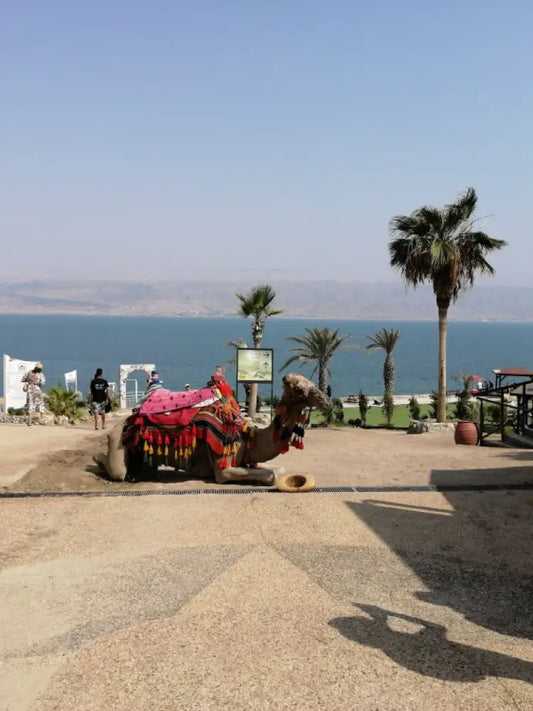
This might actually surprise you: the Dead Sea is a great summer destination.
You're not hiking. You're not walking long distances in the sun. You walk down a short path, wade in, and your feet lift off the ground. That's it. (Side note: most people who book a tour have no idea how much of the experience is about the in-between moments , the walks, the conversations, the unexpected stops.) And there's always someone in the group who doesnt believe they'll float until they do , and then they just start laughing. That sound, floating in the Dead Sea at 8am with the Jordanian mountains pink across the water. It never gets old. Never.
Go early. 7am is ideal. By 10am the sun turns the black mineral mud you put on your face from a pleasant cooling treatment to something that feels like it might be cooking you. The Dead Sea sits 427 meters below sea level , the lowest point on Earth , and while the UV intensity is actually slightly lower because of atmospheric depth, the heat radiates off the salt flats in a way that's still serious by midday.
Jericho at 40°C is a short visit or a skip in July. If you want to see it , the ancient tel, the tree of Zacchaeus, the Mount of Temptation cable car , go before 9am and be out by 11. Genuinely impressive. Genuinely hot. Dont say I didnt warn you.
Sea of Galilee
Up north in Galilee, summer is the local peak season. Israelis flock to Tiberias and the Sea of Galilee , Yam Kinneret , in July and August for the same reason anyone goes to a lake in summer. The water temperature reaches 27-28°C. Warm, yes really, and clear. The hills around it stay green. Think about that.
I'll be honest about Galilee in summer: it's not the most spiritual atmosphere when every hotel is fully booked and the beach areas are packed with families. But the actual gospel sites , Capernaum, the Mount of Beatitudes, Magdala , are still accessible and still moving if you approach them right.
I tell every group the same thing before we go in , put your phone down for five minutes. Just five minutes. Most of them thank me for it afterward.
Worth saying: the boat ride on the Sea of Galilee is, weirdly, better in summer than winter. Calm water. Clear sky. You can see the full circle of hills around the lake and understand why this place was the setting for so much of the gospel. I wrote about what to prioritize across the major sites in Summer in the Holy Land 2026: What No One Tells You Before You Go , Galilee gets a dedicated section there.
The Crowd Problem , And How to Beat It

people walking on street , Photo by Laura Siegal on Unsplash
Summer crowds fall into two waves. June through early July: pilgrimage groups, mostly from the US, South Korea, Brazil, and the Philippines. Late July through August: general tourism , families, European and American vacationers. No question.
Both waves hit the same sites at the same times. You cannot avoid the crowds entirely. You can absolutely work around them.
The single most effective move: book a private guide and plan to start at 6:30-7am. Private groups move through queues faster, go where they need to go, and arent waiting for 43 people to use the bathroom at the same time. I've seen large bus groups spend two hours "visiting" the Church of the Holy Sepulchre and actually stand in a queue for 40 minutes of it. Private tours move differently. That matters.
If you're looking at private tours in Israel, thats the actual difference , not just comfort, but access. Real access.
Booking ahead matters more in summer than any other season. Hotels near the Old City fill up fast, and good guides get booked weeks in advance. If you're coming in July and havent planned anything by May, your options narrow fast.
What to Wear (This Matters More Than You Think)

a group of people wearing white robes , Photo by shraga kopstein on Unsplash
Summer pilgrimage travelers make the same mistake constantly: they pack for the heat and forget about the dress codes.
Almost every major holy site , Church of the Holy Sepulchre, Church of the Nativity, Al-Aqsa area, most mosques and churches throughout the country , requires modest dress. Covered shoulders, covered knees, and at many sites, head coverings for women.
It doesnt matter what the thermometer says outside.
I've watched people get turned away at the door of the Nativity Church in August wearing perfectly reasonable summer clothes , shorts and a tank top , and have to either buy a shawl from a vendor at the entrance or miss the visit entirely. This isnt enforced arbitrarily. It's a house of worship. That matters.
What actually works in summer here: lightweight linen or moisture-wicking fabric. Long sleeves that roll up easily. Convertible pants that zip off into shorts , wear them long at sites, switch to shorts during breaks. Closed-toe shoes with socks, because the Old City's stone streets are uneven and you'll be walking 8-12 km a day. Women should carry a lightweight scarf at all times , useful at every single site and barely adds any weight. (This reminds me of something my grandfather always said about this land , 'it doesn't need introduction, it just needs showing' , but thats a story for another day.)
(We lost electricity again. Typing this on a laptop with 31% battery. If the post ends abruptly you know why. It probably wont though , this happens every week.)
Here's a quick reference for summer dress codes by site:
Practical Planning , The Summer Holy Land Pilgrimage Checklist

a group of people standing next to each other , Photo by Levi Meir Clancy on Unsplash
If I had to give one piece of advice to someone planning a Holy Land pilgrimage in summer, it's this: structure your day like a local.
Wake early. 6am start is ideal. Get your two or three most important sites done before noon. Then find somewhere to eat lunch slowly , in Bethlehem that means a place on Star Street or near Manger Square where the food is real and the walls are cool stone , and rest. Actually rest. Resume at 3pm when the light is turning golden and the worst of the heat is passing. Stay out until sunset. The evenings here, especially in Jerusalem, are stunning in a way I still cant explain after fifteen years.
Honestly, the best months within summer for holy land trip planning are May-June and late September. Peak summer , July through August , is the hardest. Most crowded, hottest. If you have flexibility, use it. If July is your only option, come anyway. Plan early starts. Book private. Carry water.
Carry at minimum 2 liters per person per day. Buy it locally , small shops everywhere stock large bottles cheaply. The touristy spots charge more but you'll never actually go thirsty. Bring electrolyte tablets if you sweat heavily; the combination of dry heat and long walking adds up faster than you'd expect.
Accommodation: Jerusalem Old City hotels are central and atmospheric, but can be noisy and expensive. Bethlehem is quieter, cheaper by a solid margin, and if you're visiting both cities, it makes more sense as a base than most visitors ever expect. The taxi drivers in Bethlehem know every road and will arrange whatever you need. That matters.
For day tours covering Jerusalem and the main sites, our day tours from Jerusalem and Bethlehem cover all the classic routes with early starts built in.
Key Takeaways
- Summer temperatures: Jerusalem averages 33°C in July; the Dead Sea and Jericho regions hit 40-42°C. Start all outdoor activities before 9am. (this one especially)
- Crowds: Peak crowd times at all major sites are 10am-2pm. Arriving at or before site opening gives you access that simply isn't available mid-morning.
- Dress codes: Modest clothing is mandatory at all Christian, Jewish, and Muslim holy sites regardless of temperature. Shoulders and knees must be covered; women should carry a scarf.
- Private vs. group tours: In summer, private tours move significantly faster through congested sites and allow flexible early-start timing that large bus groups cannot manage.
- Bethlehem is quieter in summer: Unlike Jerusalem, Bethlehem's peak pilgrimage season is Christmas and Easter , summer is a genuinely calmer time to visit, with easier access to the Church of the Nativity.
🌱 Plan Your Holy Land Tour


Frequently Asked Questions

green plant on brown and gray rock wall , Photo by shraga kopstein on Unsplash
What is the best month to visit Israel and Bethlehem? For holy land trip planning, May and early June are the sweet spot , school groups have thinned, the weather is warm but not brutal (25-28°C in Jerusalem), and Bethlehem is accessible and calm. Late September is nearly as good. Mid-July through August is the hardest period but very doable with proper planning.
Is it safe to visit Bethlehem in summer 2026? Yes. Bethlehem receives Christian pilgrims year-round and the main pilgrimage sites , Church of the Nativity, Milk Grotto, Shepherd's Field , are all operating normally. The crossing from Jerusalem takes 5-15 minutes for tourists. Local guides and hotels have been operating throughout 2025-2026 without interruption for tourists.
How do I visit Bethlehem from Jerusalem? The most common route is through Checkpoint 300, which is a standard pedestrian and vehicle crossing. From Jerusalem, you can take a service taxi (sherut) directly, arrange a private driver, or go with a guide who handles the logistics. The drive itself is under 20 minutes. For the full walkthrough of what actually happens at the crossing, read our Checkpoint 300 guide.
What should I wear when visiting holy sites in summer? Lightweight modest clothing , covered shoulders and knees at minimum. A lightweight linen shirt (long-sleeved, rolls up), convertible pants, closed-toe shoes, and a scarf for women. Avoid synthetics that trap heat. This works for every site from the Church of the Holy Sepulchre to the Dead Sea beach areas.
How do I book a Holy Land tour directly without a travel agent? You can contact local tour operators directly. Booking direct means you deal with the person actually guiding you, prices are typically lower than agency rates, and you can customize the itinerary. We handle inquiries directly at our contact page , no middleman, no package pricing.
How hot does it get in Jerusalem in summer? Jerusalem averages 30-33°C (86-91°F) in July and August, with low humidity around 20-30%. The high elevation (800 meters) and dry air make it more tolerable than the numbers suggest, but still serious heat for extended outdoor walking.
Is the Dead Sea worth visiting in summer? Absolutely. The Dead Sea is better in summer than you'd expect because you're floating, not hiking. Go early , 7 to 9am , to get the experience before the midday heat intensifies. The salt float, the black mineral mud, the view of Jordan across the water. All of it is unchanged by season.
How early should I arrive at the Church of the Holy Sepulchre? The church opens at 5am. Arriving between 5:30 and 7am in summer gives you access to the Edicule (the tomb structure), the Golgotha chapel, and the main rotunda with very short or no queues. By 9am in summer, queues for the Edicule can run 45-60 minutes.
Related Reading

- Summer in the Holy Land 2026: What No One Tells You Before You Go
- What Actually Happens at Checkpoint 300: A Guide From Your Bethlehem Host
If you're planning to come this summer, come. The heat is real but it's not the story. The story is what happens when you actually stand in these places. The early morning light in the Nativity Grotto. The Dead Sea holding you up like it's been waiting. The Old City just before the city wakes up.
Worth every bit of planning. If you want help putting it together, reach out here and we'll sort it out.
Elias Boaz is a licensed tour guide from Bethlehem , birthplace of Jesus Christ , and the founder of Elijah Tours. He has guided thousands of pilgrims through Bethlehem, Jericho, and the Jordan River Valley , and coordinates Holy Land tours with trusted licensed guides across the region. He writes to help visitors truly understand what they're seeing.