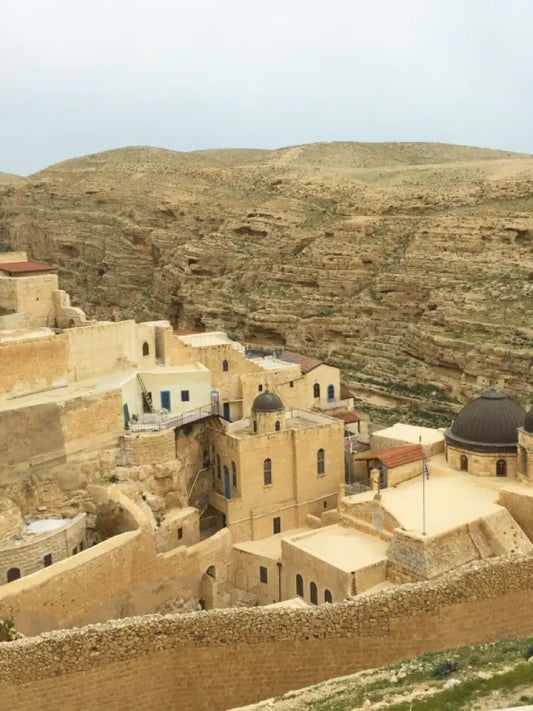
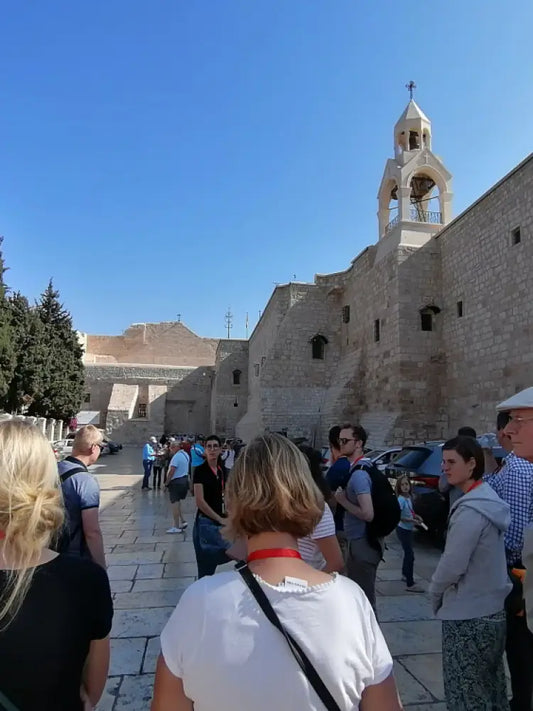
If you want my honest answer, the best time to visit the Holy Land is autumn, late September through November. The summer heat has broken, the Christmas and Easter crowds are months away, and every major site is open and quiet enough to actually pray in. For most pilgrims, fall is the sweet spot nobody tells you about.
📝 In This Article
- Why Autumn Is the Season Locals Quietly Recommend
- The Weather in Fall: What Late September to November Actually Feels Like
- Fewer Crowds, Open Sites: The Real Payoff
- The Biblical Calendar of Autumn: Walking Where the Feasts Happened
- What to See Region by Region in Fall
- How to Plan an Autumn Pilgrimage
- What You Should Know
- Frequently Asked Questions
- Related Reading
"People plan their whole trip around December or Holy Week. And then they show up and spend half of it waiting in line. Come in October instead. The sites are the same. The quiet is honestly yours." - Elias
I've been guiding people through Bethlehem and Jerusalem for years, and I'll tell you the thing the brochures wont: the season you choose changes everything. Not the sites. The sites dont move. But the way you experience them? Completely different in October than in December.
Why Autumn Is the Season Locals Quietly Recommend
I'm no expert in this, but here's what most visitors dont realise. There are really two Holy Lands. There's the one in peak season — shoulder to shoulder in Manger Square, the line into the Grotto wrapping back on itself, your guide half-shouting just to be heard. And there's the other one. Same stones. Same air. But you can actually hear yourself think.
Autumn is that second Holy Land. It sits in the gap between the brutal summer and the Christmas rush, and somehow it gets overlooked every single year. Every year. I dont understand it.
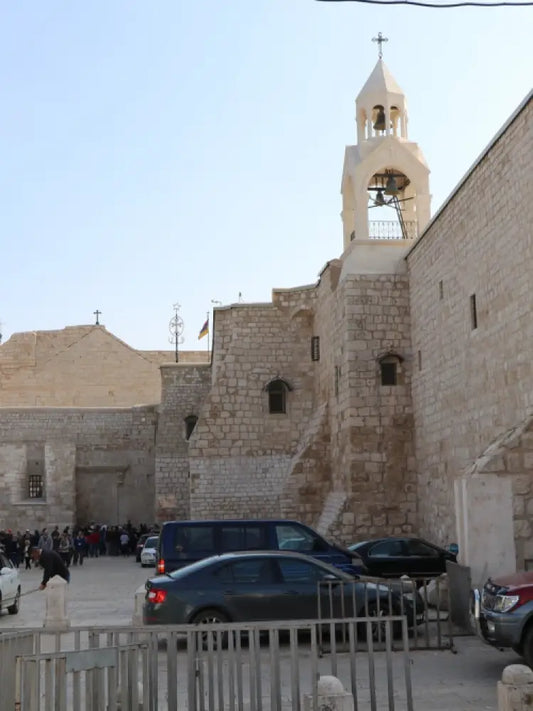
I remember a small group from last October. A family from Ohio, plus a retired couple who'd waited forty years to make this trip. Forty years. A guide who's been doing this 30 years would explain it better, but we walked down into the Grotto of the Nativity in the late morning and there was almost no line. In December thats a ninety-minute wait if you're lucky. That morning we just, walked down. The grandmother knelt at the silver star and stayed there. Nobody rushed her. Nobody behind her sighing or shuffling or checking their phone. You know what that does to a person? It lets the moment actually land.
Thats the whole case for a shoulder season Holy Land pilgrimage, right there in one story.
Same site. Different season. Whole different experience.
The Weather in Fall: What Late September to November Actually Feels Like
Holy land fall travel is comfortable in a way summer simply is not. But "autumn" covers a lot of ground here, so let me break it down month by month, because they're genuinely different from each other. Big difference.
September: Summer's Tail
September is still warm. Honestly, the first half can feel like summer hasnt quite let go — especially down in the Jordan Valley. Jerusalem up in the hills is more forgiving, but pack like its still hot. By the last week of the month you start to feel the shift. Cooler mornings. That softer, lower light.
October: The Sweet Spot
October is the one I'd circle on your calendar. I mean it. Days are mild, often low-to-mid twenties Celsius up in Jerusalem, and the evenings turn cool and clear. You can walk the Old City for hours and not feel completely wrung out. The light in October does something to the limestone — it goes gold in the late afternoon. I'm no photographer, but even I stop and notice it.
November: First Rains, Green Returns
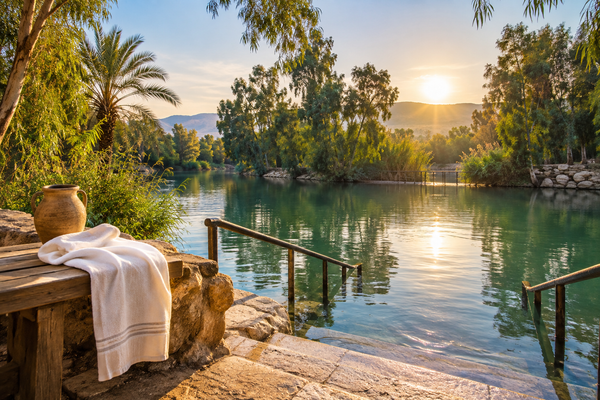
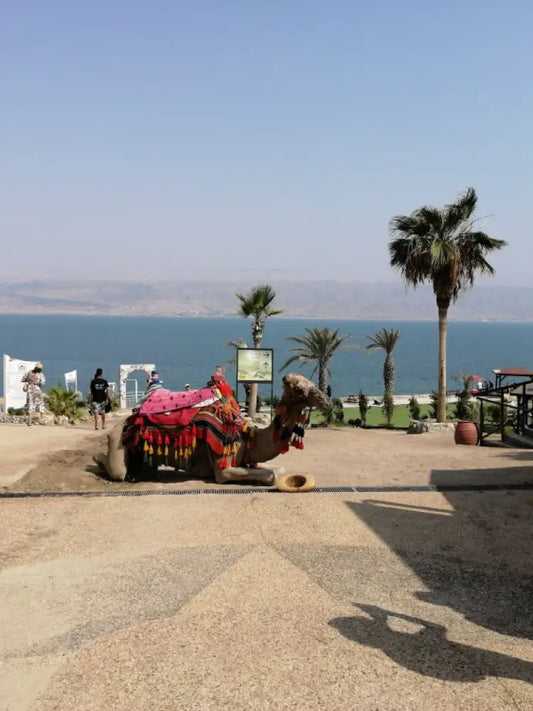
November brings the first real rains. Dont let that scare you. They come in short bursts, then clear, and the hills that baked brown all summer start going green again. Beautiful, actually. Crowds thin out even more. You'll want a light jacket and a layer for after sunset — Jerusalem sits up high and it gets properly cool after dark. But the Dead Sea and Jericho stay warm. Jericho sits around 250 meters below sea level, the lowest city on earth, and the air down there holds its heat well into fall.
So the rule of thumb: higher you go, cooler it gets. Jerusalem cool. Jericho and the Dead Sea warm. Plan your layers around that and you're set. No question.
Fewer Crowds, Open Sites: The Real Payoff
This is the part that gets people. In autumn, the sites are fully open AND fully calm. You dont have to trade one for the other. Thats the difference.
(I'm writing this from Star Street — quiet today, Fridays are like that. But messages from last month's pilgrims keep coming in, so I keep writing.)
Think about the Church of the Holy Sepulchre. In peak season you shuffle through with everyone else. In October you can stand at the Stone of Anointing without somebody's selfie stick in your ribs. Same with the Garden of Gethsemane — those ancient olive trees, the ones that may share a root system going back further than anyone can prove — you can actually sit near them. In the quiet. The Church of the Nativity, like I said, no ninety-minute Grotto line. Think about what that means.
And everything's open. Thats the difference between fall and deep winter, when some days can feel low and shuttered. Autumn isnt low season in that sense, its just calmer. The full pilgrimage is available to you. You're not missing anything except the crowds. And it works.
If you're weighing seasons against each other, I wrote a fuller comparison in Best Time to Visit Bethlehem in 2026. And if you've already decided heat doesnt scare you, here's the honest summer picture in Visiting the Holy Land in Summer. Read both. They make the autumn case better than I can. Big difference.
The Biblical Calendar of Autumn: Walking Where the Feasts Happened

Heres something pilgrims rarely connect, and I think its a shame. It deepens the whole trip. Really does.
Autumn is the season of the great biblical fall feast. The Feast of Tabernacles, Sukkot, falls in the autumn — Leviticus 23 lays out the whole calendar. And the Gospel of John tells us Jesus went up to Jerusalem precisely during this feast. "Now the Jews' Feast of Tabernacles was at hand" (John 7:2). It was there, in the temple courts, that He stood and called out: "If anyone thirsts, let him come to Me and drink. Whoever believes in Me, out of his heart will flow rivers of living water" (John 7:37-38). And it shows.
(One of the things I always say — this place doesnt need explaining. It just needs showing. Every group figures that out within the first hour.)
So when you walk Jerusalem in the fall, you're walking it in the same season Jesus taught those words. That timing isnt nothing. Stand on the Temple Mount steps in October and read John 7. Funny enough, I was just explaining exactly this to a group from California last week — they'd read all the guidebooks and still werent prepared. It really isnt the same on a screen. It hits different when the season matches. And it shows.
And then there's the olive harvest. Around Bethlehem and up on the Galilee terraces, October and November are when families bring in the olives. You'll see it everywhere — nets spread under the trees, whole families out working together, the presses running. Heres a detail people love: Gethsemane means "oil press." Gat Shemanim. An olive press. To be in this land during the actual olive harvest, walking past a garden named for pressing olives, where Jesus prayed the night before the crucifixion — well. It connects something. I cant always put it into words. But my groups feel it. Every time. Think about that.
What to See Region by Region in Fall

Men sit together on a rug in a field. — Photo by Wietse Jongsma on Unsplash
Different parts of this land hit differently in autumn. Heres the quick reference I'd give any pilgrim planning a fall trip. That's the difference.
If you want to see how these fit together into a full route, I broke down a complete week in How to Plan a 7-Day Holy Land Pilgrimage Itinerary in 2026. Autumn is honestly the season I'd run that itinerary in. Every single time. You know what I mean?
How to Plan an Autumn Pilgrimage

a group of men sitting on top of a stone structure — Photo by Najmul H. Hossain on Unsplash
A few practical things, guide to traveler.
First, book ahead. October is the quiet secret, but its not a secret to everyone — the good local guides and the better small hotels do fill up. (This is one of those things where I could go on for an hour. Ask me in person sometime and I will.) Two to three months out for an October trip. November you have more room. September too. Think about that.
Second, pack in layers. I cant stress this honestly enough. People see "Middle East" and bring only shorts, then freeze on a Jerusalem evening in November. Bring a light jacket. A layer you can add after sunset. And remember the churches — shoulders and knees covered, thats not negotiable at the holy sites, fall or not. And it works.
Third, go private if you can. I'll be straight — thats my bias as a private guide. But autumn rewards a flexible itinerary more than any other season. When the crowds are thin you can linger. You can change the order of the day on a whim because the Grotto happens to be empty right now. A fixed group bus cant do that. Cant. If you want that kind of trip we run private tours built entirely around your pace, and shorter day tours if you only have a window or two. Think about that.
Key Takeaways
- The best overall window for a Holy Land pilgrimage is early-to-mid October: mild weather, thin crowds, every site open.
- All major sites stay open through autumn, and crowds run far below the Christmas and Easter peaks.
- Jerusalem turns cool in the evenings while Jericho and the Dead Sea, sitting around 250 meters below sea level, stay warm into late fall, so pack layers.
- Autumn carries real biblical weight: the Feast of Tabernacles (when Jesus taught in Jerusalem, John 7) and the regional olive harvest both fall in this season. (I could write a whole post just about this)
- For an October trip, book your guide and hotels about two to three months ahead.
🌱 Plan Your Holy Land Tour


Frequently Asked Questions

two men in white top standing beside wall — Photo by Anton Mislawsky on Unsplash
What is the best time to visit the Holy Land in autumn? Early to mid October is the best window. The summer heat has eased, Jerusalem days are mild and evenings are cool, crowds are low, and every major site is open. September is warmer and November brings the first light rains, but both are still excellent and quieter than peak season.
Is October a good month for a Holy Land pilgrimage? Yes, October is arguably the single best month. You get comfortable daytime temperatures in Jerusalem, warm conditions at the Dead Sea and Jericho, far smaller crowds than Christmas or Easter, and the regional olive harvest happening around Bethlehem and the Galilee. Book two to three months ahead because it is popular with those who know.
Is it crowded in the Holy Land in the fall? No, autumn is one of the least crowded times to visit while still having everything open. The big crowds cluster around Christmas and Holy Week. In September, October and November you can often visit the Grotto of the Nativity and the Church of the Holy Sepulchre with little to no waiting.
What should I pack for a Holy Land trip in September or October? Pack layers. Light, breathable clothing for warm days plus a jacket or sweater for cool Jerusalem evenings, especially toward November. Bring modest clothing that covers shoulders and knees for the churches, comfortable walking shoes for the Old City's stone streets, sun protection, and a swimsuit if you plan to float in the Dead Sea.
Related Reading

a crowd of people standing in front of a stone wall — Photo by Bruno Aguirre on Unsplash
- Best Time to Visit Bethlehem in 2026: Christmas, Easter, Summer, or Fall?
- Visiting the Holy Land in Summer: Heat, Crowds, and How to Do It Right
- How to Plan a 7-Day Holy Land Pilgrimage Itinerary in 2026 -- trust me on this one
Not gonna lie — If autumn is calling you, dont overthink it. Come in October, walk slowly, and let the quiet do its work. And if you'd like a hand planning the route around your own pace, just reach out to us, I'm always happy to help a fellow traveler get it right.
Elias Boaz is a licensed tour guide from Bethlehem — birthplace of Jesus Christ — and the founder of Elijah Tours. He has guided thousands of pilgrims through Bethlehem, Jericho, and the Jordan River Valley — and coordinates Holy Land tours with trusted licensed guides across the region. He writes to help visitors truly understand what they're seeing.