Ein Gedi is open, but it is not fully open. Severe floods in May damaged the nature reserve, restoration is still underway, and several familiar routes remain restricted. That is the first thing to understand before building a Dead Sea day around the oasis.
The good news is that there are still three useful ways to visit. Wadi David currently offers a short accessible route to the first waterfall. Wadi Arugot remains a serious hiking option for fit visitors. The Ein Gedi antiquities area is open for travelers who want history without committing to a demanding trail.
The mistake would be arriving with an old map and assuming every spring, cave, and path shown on it is available.
Ein Gedi is still worth visiting, but the right visit in 2026 starts with the current access notice, not with the route somebody hiked before the floods.
Start With the Current Ein Gedi Status
The Israel Nature and Parks Authority's current Ein Gedi page says severe May floods caused significant damage and that restoration work is ongoing. Its live notice limits Wadi David to the accessible path leading to the first waterfall. It keeps Wadi Arugot available as a challenging trail for fit hikers and lists the antiquities area as open as usual.
The same notice says all other parts of the reserve, including Ein Gedi Spring and Dudim's Cave, are closed until further notice.
That changes the value of a plan made from an old guidebook. It also changes how much time you need. A family using the short Wadi David path is planning a very different visit from hikers entering Wadi Arugot. Do not write "Ein Gedi" on the itinerary and leave the details for the parking lot.
The reserve's published opening time is 08:00. Closing is 17:00 on Sunday through Thursday and Saturday in summer, with 16:00 closing on Friday and holiday eves. Winter closing is 16:00 on Sunday through Thursday and Saturday, and 15:00 on Friday and holiday eves. Some holiday dates close earlier. General admission stops one hour before closing, while Wadi Arugot entry ends three hours before closing.
Those hours are a planning frame, not a reason to arrive late. Weather alerts, restoration work, and local safety decisions can change access. Check the official page again close to the visit and follow the staff at the gate.
Choose the Part of Ein Gedi That Fits You

Ein Gedi is not one continuous attraction. The reserve and antiquities have separate entrances and different physical demands. Choose the experience first.
Wadi David for the easiest current nature visit
Under the present restriction, Wadi David offers the clearest option for visitors who want to see the oasis without taking on a long desert hike. The official update describes the open section as an accessible path to the first waterfall, roughly five minutes each way.
Short does not mean meaningless. The sudden green of the oasis against pale desert rock is the point. You can hear running water, see vegetation gathering around it, and understand why this place became a refuge in both scripture and memory.
But keep expectations honest. This is a limited route. It is not access to the full pre-flood trail network, Ein Gedi Spring, or Dudim's Cave.
Wadi Arugot for fit hikers
Wadi Arugot is the serious hiking choice. The Nature and Parks Authority labels it challenging and suitable for fit hikers. Entry is allowed only until three hours before the reserve closes, which means it cannot be treated as a late-afternoon add-on after Masada or a long lunch.
Before choosing it, ask practical questions:
- Is every person in the group comfortable on uneven desert terrain?
- Does the forecast allow a safe hike, with no heat or flood warning?
- Do you have enough water, closed shoes, sun protection, and time to exit before closing?
- Is the route shown as open for your actual date?
- Have you reserved the correct entrance rather than Wadi David?
If one answer is uncertain, use the shorter option. A good day does not become better because somebody pushed through a trail they were not prepared to walk.
The antiquities for history and accessibility
The Ein Gedi antiquities area gives the visit a different center. Its ancient synagogue and mosaic floor tell the story of a settled community that lived beside the oasis long after the biblical period. The official antiquities page says the synagogue and mosaic floor are fully accessible.
This is the strongest current choice for travelers who care about history, have limited walking capacity, or want a meaningful stop while the longer nature routes are restricted. The antiquities can be visited on their own without an advance reservation, according to the current reserve notice. Tickets are purchased at that entrance.
Why Ein Gedi Matters Beyond the Waterfall

The name Ein Gedi appears in the biblical landscape most clearly in the story of David. First Samuel places David in the strongholds of Ein Gedi while Saul pursued him, and the cave episode that follows turns this desert refuge into a story about restraint, power, and mercy.
That context is easy to miss if Ein Gedi is treated only as a swimming stop. The oasis matters because water changes what is possible in the desert. It supports wildlife, vegetation, travel, and human settlement. Standing near a stream here helps the geography of the biblical story make sense without needing to manufacture a dramatic speech around it.
The antiquities add another layer. Ein Gedi was not frozen in David's time. The synagogue, village remains, and mosaic belong to a later community with its own religious and economic life. Nature, scripture, and archaeology sit close together here, but they are not the same story. A good visit keeps those layers clear.
If ancient desert communities interest you, the nearby Qumran and the Dead Sea Scrolls guide makes a useful companion. Qumran and Ein Gedi should not be blended into one vague biblical-desert stop. Each explains a different community and a different relationship with this landscape.
Wildlife Is Part of the Visit

The official reserve information identifies ibexes and rock hyraxes among the animals visitors may encounter near the accessible Wadi David area. Seeing wildlife is possible, not guaranteed. These are wild animals using a protected water source, not performers waiting beside the trail.
Give them space. Do not feed them, block their movement, or move closer for a photograph. The reserve requires visitors to leave by closing time partly so wildlife can return to the water without people occupying the paths.
The same rule applies to birds, reptiles, and plants. Observe. Do not collect. Ein Gedi is fragile precisely because so much life is concentrated around a small amount of water.
For photography:
- Use distance rather than chasing an animal toward the rocks
- Keep food packed away
- Stay on the permitted route
- Avoid loud playback or calls intended to attract birds
- Let an animal cross before you continue
The best wildlife moment is the one that does not change the animal's behavior.
Heat, Water, and Flood Risk Come First

Ein Gedi is green, but it is still in the Judean Desert. Shade around the stream can make the heat feel manageable for a few minutes, then the exposed ground reminds you where you are.
Carry more drinking water than you expect to use. Wear closed shoes with grip, a hat, and light clothing that protects your skin. Start early when conditions allow. Do not assume the presence of waterfalls means the whole walk is cool or shaded.
Flash floods are a separate danger. Rain does not need to be falling over your head for water to move through a desert channel. If the Nature and Parks Authority closes a route or issues a warning, the plan is over. Do not wait beside a barrier hoping the decision will change.
Bring:
- Your reservation confirmation for the correct trail
- Drinking water for every traveler
- Closed walking shoes
- Sun protection and a hat
- A charged phone, while understanding reception may vary
- Any personal medication you need during the day
- A simple change of clothes if the wider day includes the Dead Sea
Do not promise children that they can enter every pool or waterfall. Water access depends on the open route and staff instructions on the day.
How to Pair Ein Gedi With the Dead Sea

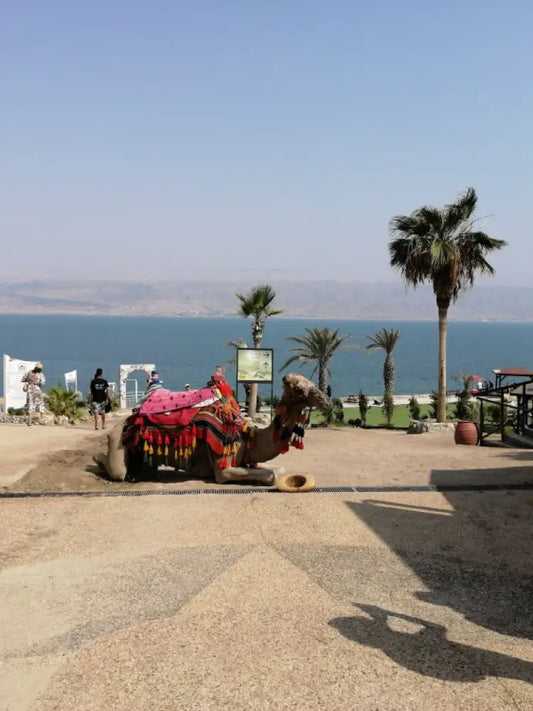
Ein Gedi sits along Road 90 near the Dead Sea, so the two destinations fit naturally in one focused day. The order depends on the open trail, reservation time, heat, and the beach facility you choose.
My preference is simple: protect the time-sensitive nature stop first, then use a serviced Dead Sea beach afterward if the live schedule allows it. That keeps a hike from becoming a rushed late entry and gives you somewhere to rinse and change before the return drive.
Do not automatically add Masada as a third full experience. It can be done on a carefully designed day, but Ein Gedi, Masada, and the Dead Sea all need real time. Our Masada visitor guide explains the physical and scheduling demands of that site. The Dead Sea guide covers beach safety and the wider region.
You can compare current Dead Sea tours and private tours, but read the live itinerary carefully. Ein Gedi is not automatically included in every Dead Sea product. If it matters to you, ask whether it can be included under the current access rules before booking.
Frequently Asked Questions
Is Ein Gedi open now?
Yes, but access is limited after severe flood damage in May. Wadi David is open only on the accessible path to the first waterfall. Wadi Arugot is open as a challenging route for fit hikers. The antiquities are open. Ein Gedi Spring, Dudim's Cave, and other areas remain closed until further notice.
Do I need a reservation for Ein Gedi?
Reserve Wadi David and Wadi Arugot separately. The current official notice says an antiquities-only visit does not require advance booking, and tickets can be bought at that entrance.
Which Ein Gedi route is easiest right now?
The open Wadi David section is the easiest nature option. The official update describes an accessible path to the first waterfall, about five minutes each way. Wadi Arugot is the demanding alternative.
Can I swim at Ein Gedi?
Do not assume swimming or entering a pool is allowed. Current flood repairs restrict the reserve, and water access can change. Follow the signs and staff instructions for the exact open route on your visit date.
Is Ein Gedi suitable for children or limited mobility?
The current Wadi David section is described as accessible, and the ancient synagogue plus mosaic floor are fully accessible. Suitability still depends on heat, surfaces, distance from the vehicle, and each traveler's needs. Confirm the exact route before arrival.
Can I combine Ein Gedi with the Dead Sea?
Yes. A reserved morning nature or antiquities visit followed by a serviced Dead Sea beach can make a focused day. Confirm that your selected tour actually includes Ein Gedi and avoid adding more stops than the schedule can hold.
Plan the Open Ein Gedi, Not the Old One
Ein Gedi still gives you the contrast that makes the Judean Desert unforgettable: rock, water, wildlife, and human history pressed into the same narrow place. What has changed is the route you can take through it.
Respecting that limit does not weaken the visit. It makes it honest.
If Ein Gedi is one of your priorities, contact Elijah Tours with your travel date, pickup location, group size, and walking ability. We can help you decide whether the current Wadi David option, Wadi Arugot, or the antiquities area fits the rest of your Dead Sea day.
Elias Boaz is a licensed tour guide from Bethlehem, birthplace of Jesus Christ, and the founder of Elijah Tours. He has guided thousands of pilgrims through Bethlehem, Jericho, and the Jordan River Valley, and coordinates Holy Land tours with trusted licensed guides across the region. He writes to help visitors truly understand what they're seeing.