Church of the Nativity – The Heart of Bethlehem
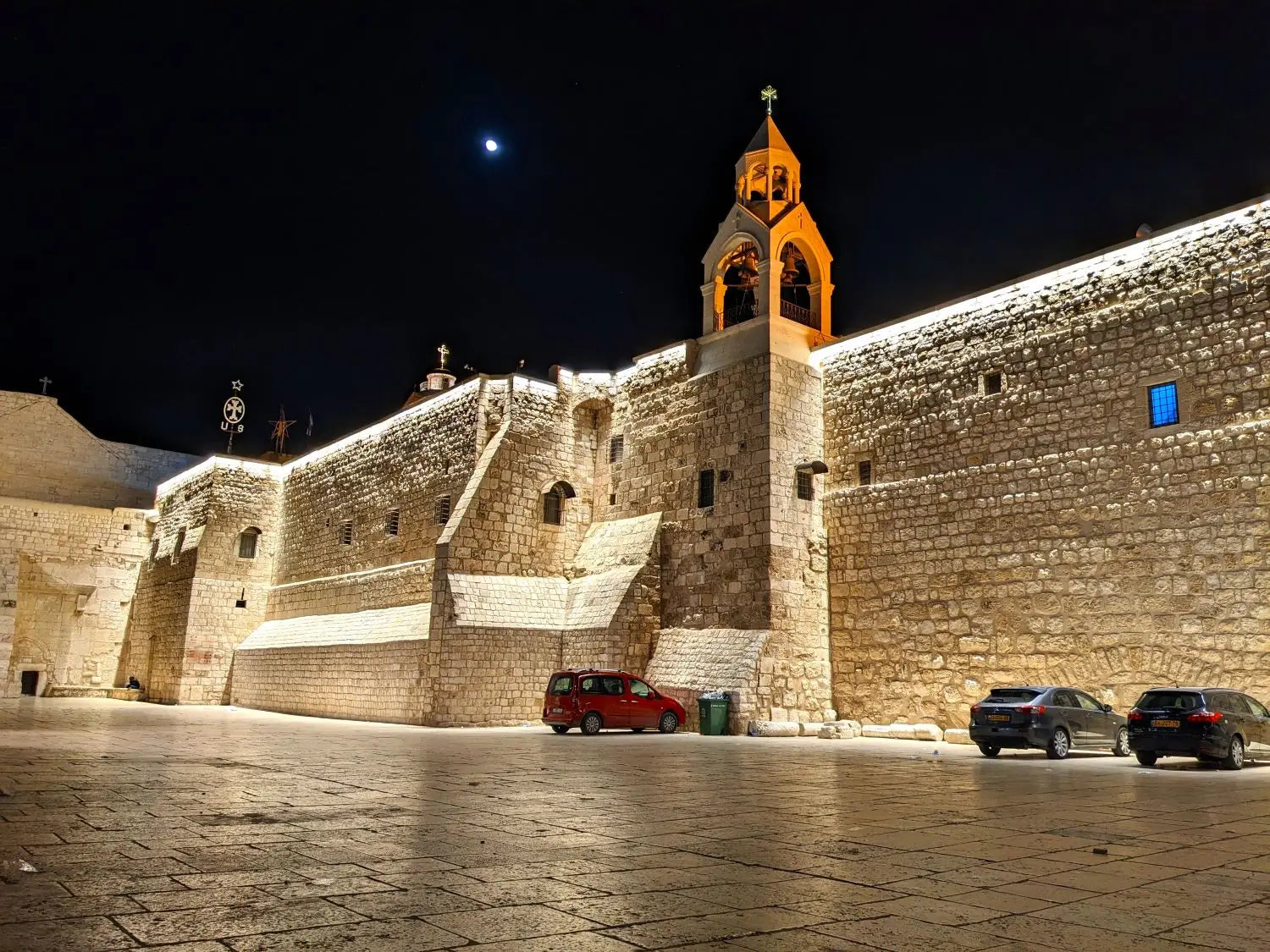
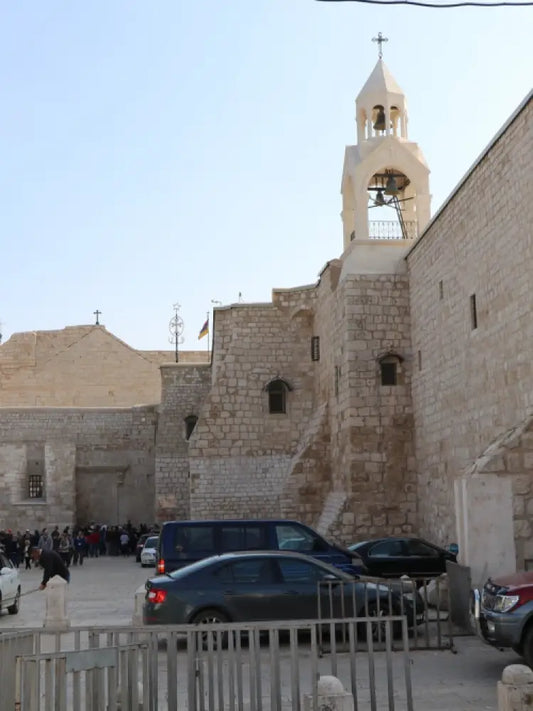
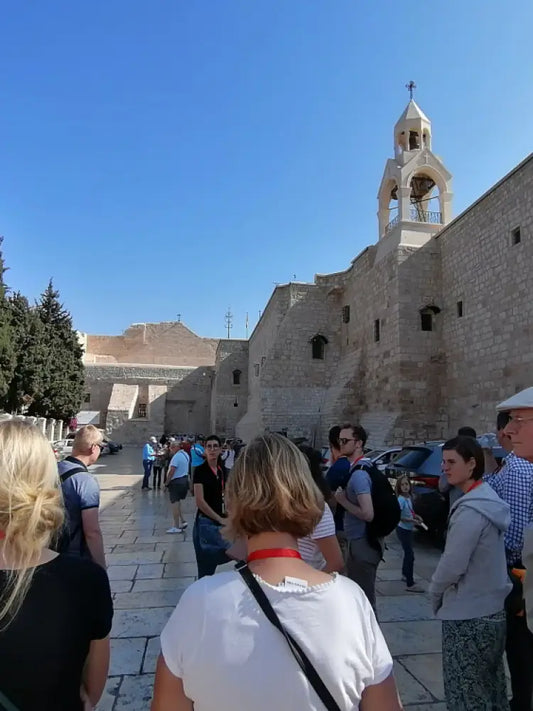
The day begins at the spiritual heart of Bethlehem, the Church of the Nativity, one of the oldest continuously functioning churches in the world. Built over the cave believed to be the birthplace of Jesus Christ, the church stands as a powerful symbol of Christian faith and perseverance.
Entering through the small Door of Humility, visitors are invited to bow physically and spiritually. Inside, the ancient stone walls, hanging lamps, and echoes of prayer create an atmosphere of deep reverence. The basilica reflects centuries of history, from Byzantine mosaics to Crusader columns marked with faded saints’ images.
Descending into the Grotto of the Nativity is the most moving moment for many visitors. Here, a silver star marks the exact spot traditionally believed to be where Jesus was born. Pilgrims often pause in silence, light candles, and offer personal prayers. It is an intimate space, rich with emotion and meaning, that leaves a lasting impression.
Shepherds’ Field – The First to Hear the Good News
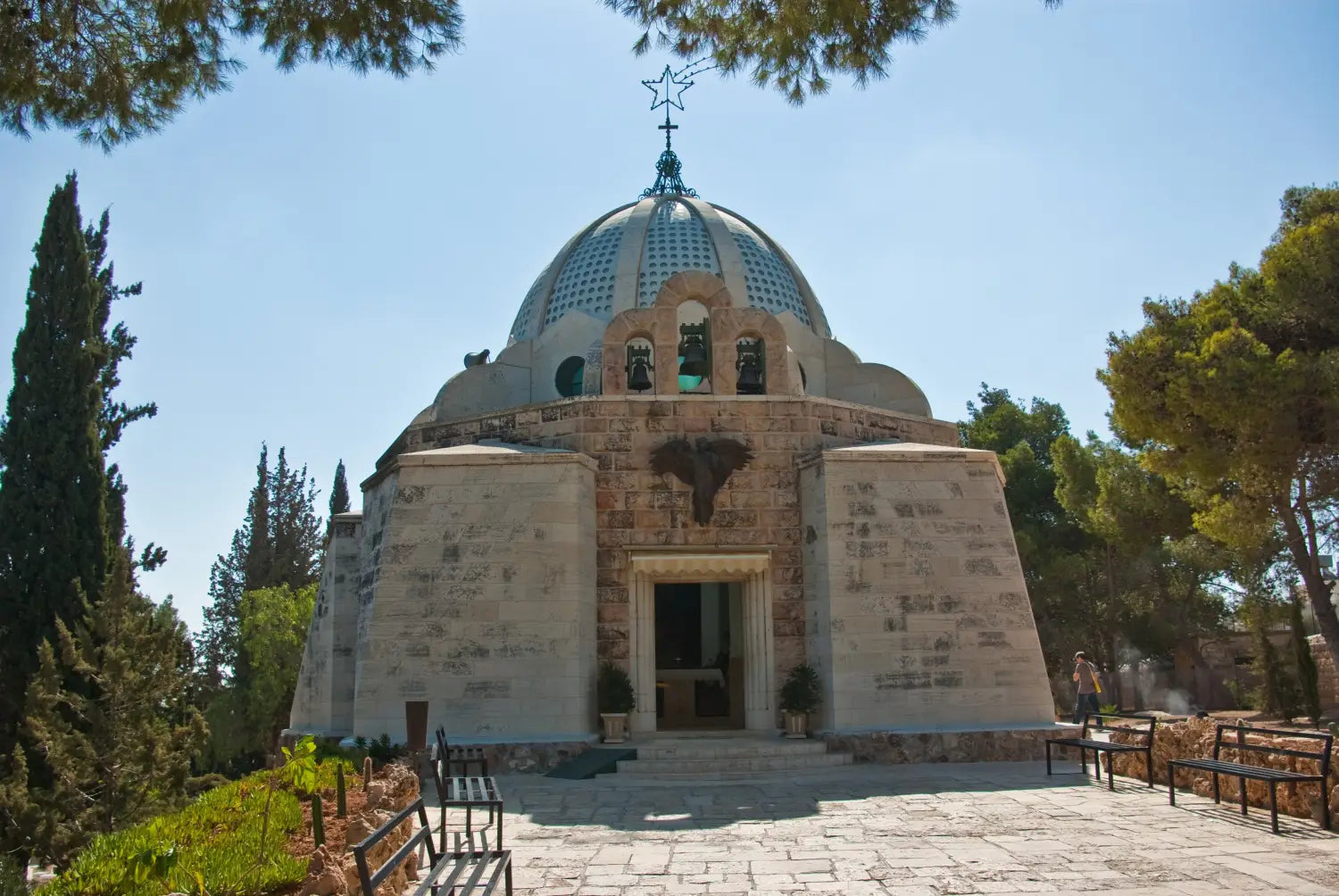
From the Old City, the journey continues to Shepherds' Field in nearby Beit Sahour. According to Christian tradition, this is where angels appeared to shepherds to announce the birth of Christ.
The landscape here is open and peaceful, dotted with caves that were once used by shepherds as shelters. These caves help visitors imagine life at the time of Jesus, when shepherds lived simply and stayed close to their flocks. The contrast between this humble setting and the grandeur of kings and palaces is striking.
Modern chapels and ancient ruins stand side by side, offering places for prayer and reflection. Many visitors describe this stop as one of the most serene moments of the day, a reminder that the message of peace and hope was first given to ordinary people.
Milk Grotto – A Place of Quiet Prayer
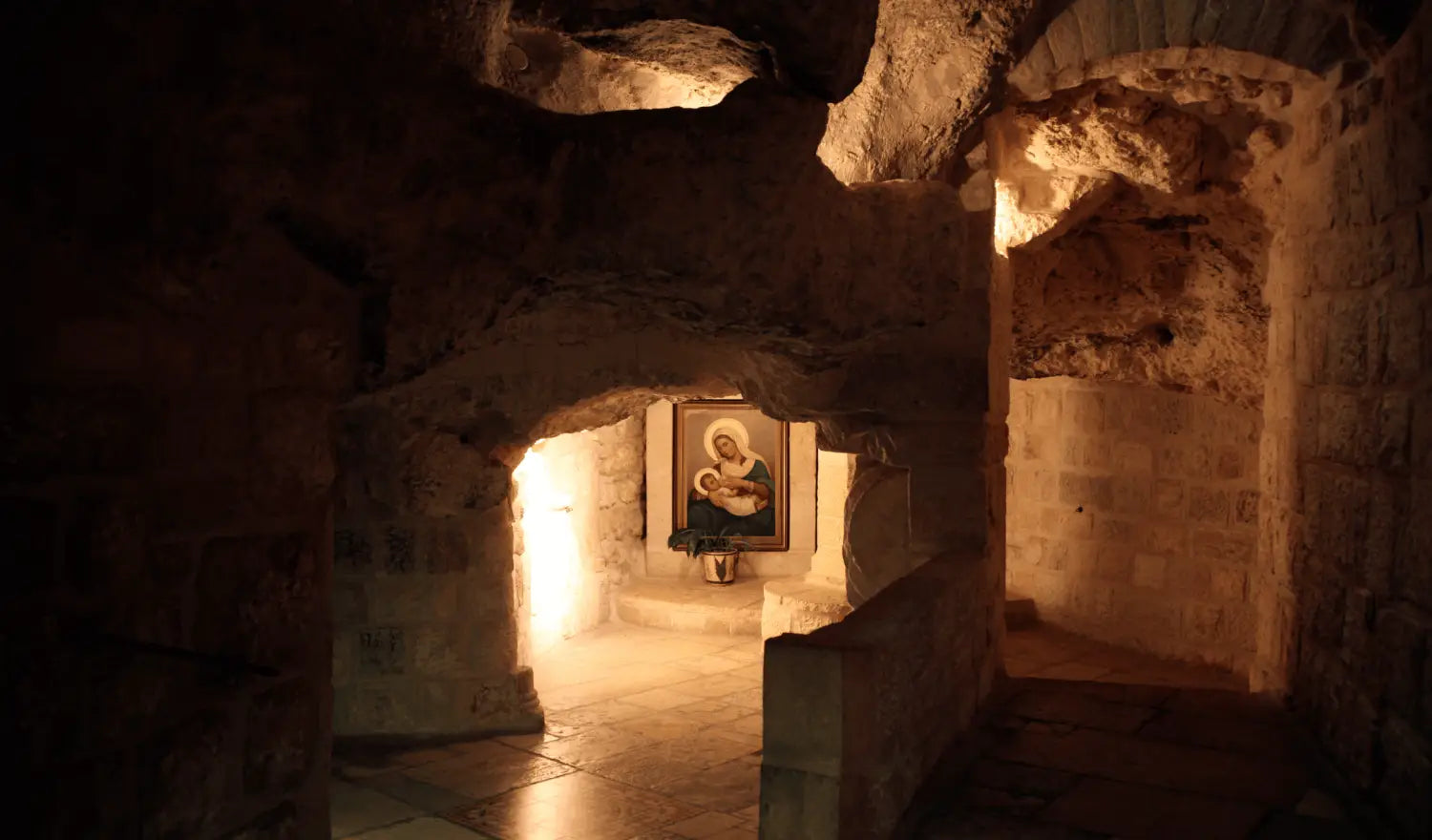
Next, the tour visits the Milk Grotto, a small but deeply cherished site. Christian tradition holds that the Holy Family rested here while fleeing to Egypt, and that a drop of Mary’s milk turned the cave’s stone white.
The interior of the grotto is simple and intimate, encouraging quiet prayer. Over the years, it has become a place where families come to pray for children, protection, and healing. Walls are often covered with notes of thanksgiving and prayer requests left by visitors from around the world.
The Milk Grotto offers a personal and emotional pause in the journey, reminding visitors of the human side of the Holy Family and the tenderness of motherhood and faith.
St. Saba Monastery – Faith in the Silence of the Desert
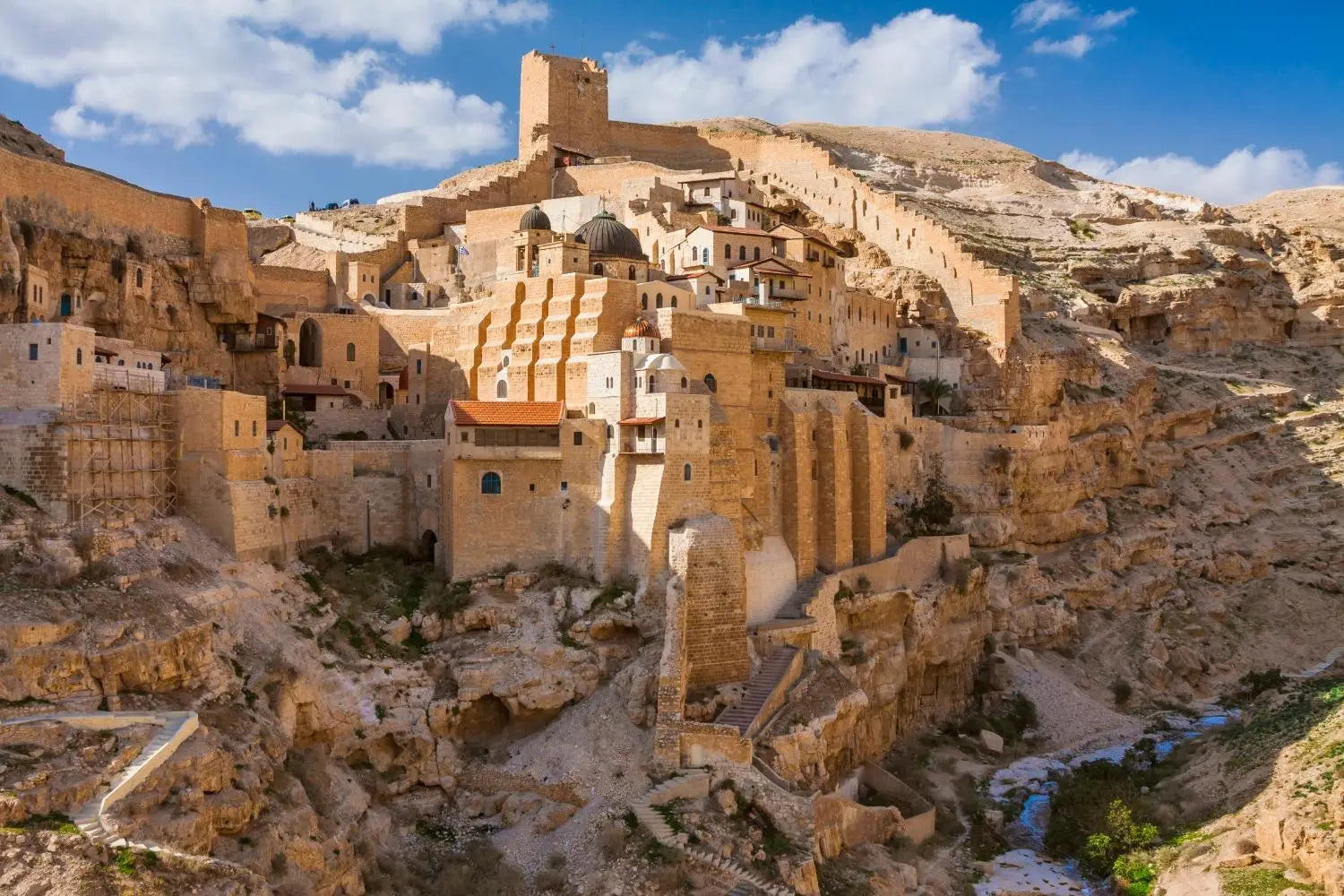
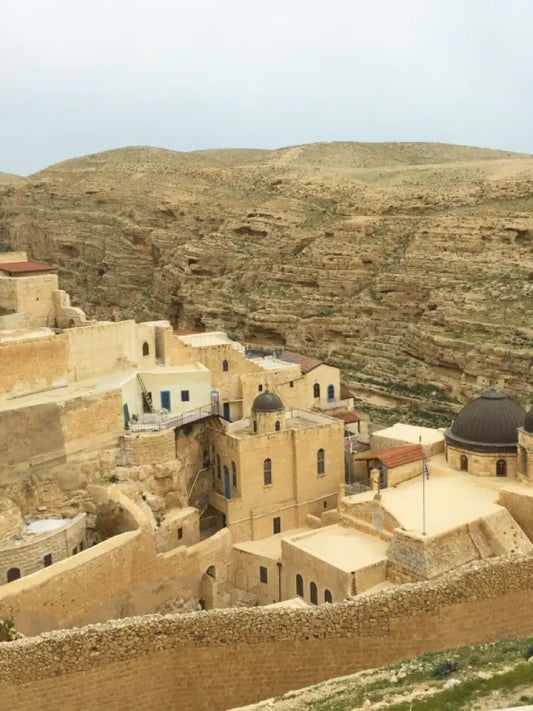
Leaving Bethlehem, the road leads into the Judean Desert toward the breathtaking St. Saba Monastery. Built in the 5th century and dramatically carved into the cliffs of Wadi Qelt, this monastery is one of the oldest continuously inhabited monasteries in the world.
From the viewpoint overlooking the monastery, visitors take in sweeping desert views that stretch for miles. The silence here is powerful, broken only by wind and distant sounds from the valley below. This setting helps explain why early Christian monks chose this place for prayer, solitude, and devotion.
Guides explain the monastic lifestyle, traditions, and history of the monks who dedicated their lives to faith and simplicity. It is a moment of reflection that contrasts sharply with the busy world left behind.
Solomon’s Pools – Ancient Engineering and Survival
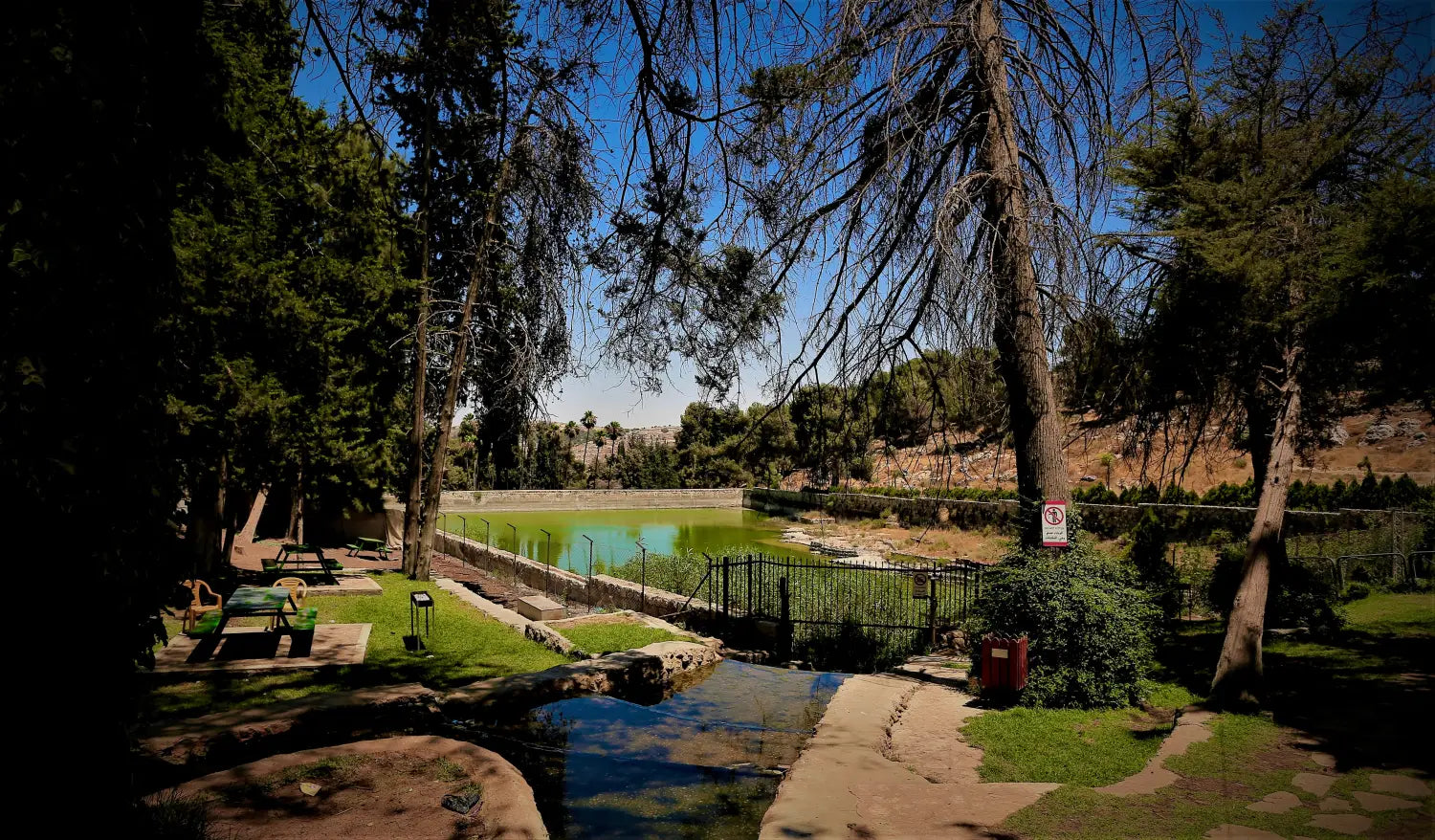
The journey continues to Solomon's Pools, located just outside Bethlehem. These massive stone reservoirs date back to ancient times and were part of a sophisticated water system supplying Jerusalem and surrounding fortresses.
Standing beside the pools, visitors learn about the importance of water management in biblical and Roman periods. Channels and aqueducts once carried water across long distances, ensuring survival in a dry and challenging environment.
This stop highlights the advanced engineering skills of ancient civilizations and adds a practical, historical layer to the spiritual journey of the day.
Herodium – King Herod’s Mountain Fortress
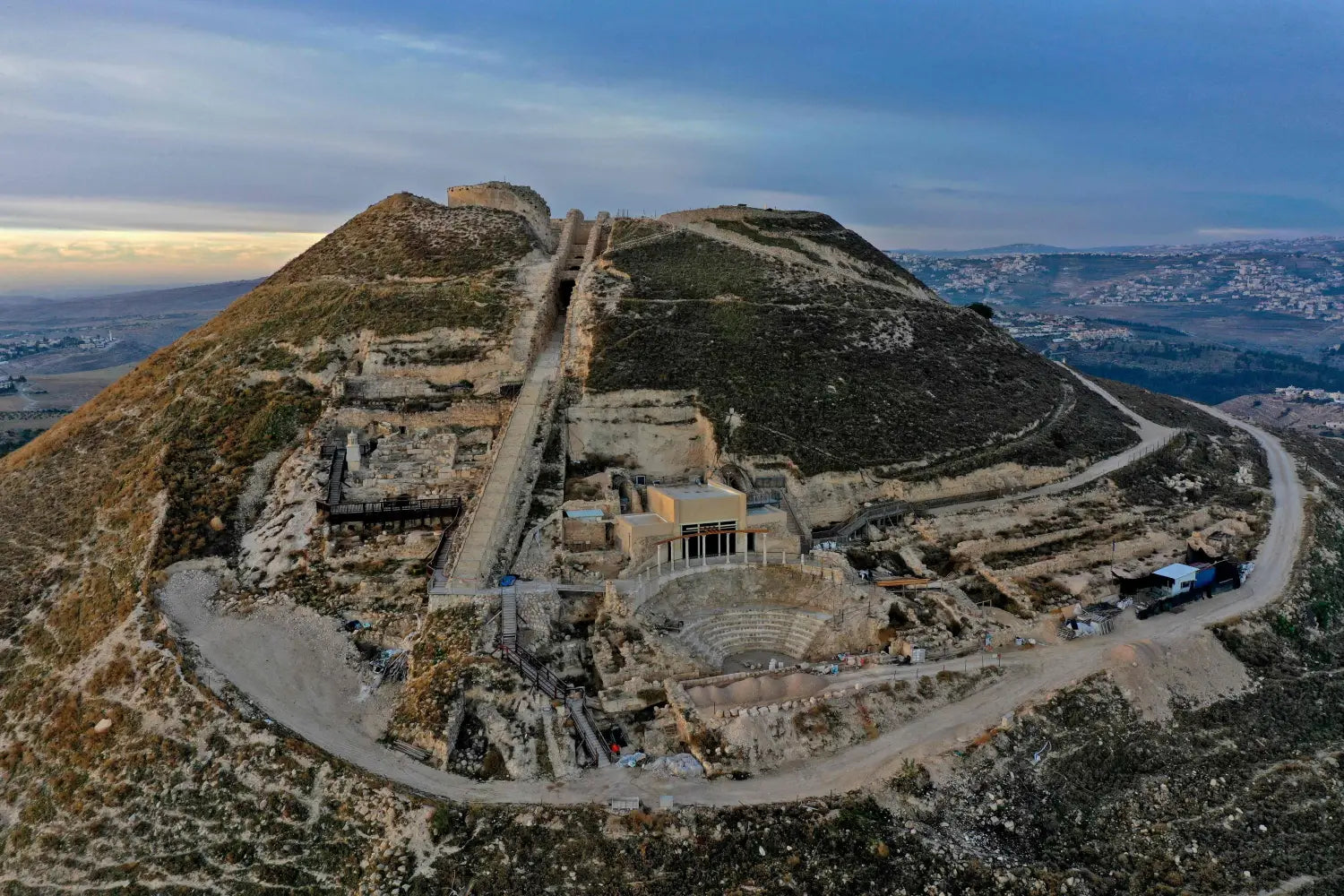
The final stop is the remarkable Herodium, the man-made mountain palace of Herod the Great. Rising dramatically from the desert, Herodium was both a luxurious palace and a fortified stronghold.
Visitors explore the remains of palace walls, bathhouses, and tunnels, learning about Herod’s ambition, architectural genius, and troubled reign. According to historical accounts, Herod chose Herodium as his burial place, adding to the site’s significance.
From the summit, panoramic views reveal Bethlehem, Jerusalem, and the vast desert beyond. Standing here, visitors often reflect on the contrast between Herod’s pursuit of power and the humble birth of Jesus just a few kilometers away.
A Day That Brings the Story Together
This full-day experience weaves together sacred sites, desert landscapes, and ancient history into one meaningful journey. Each stop adds depth and understanding, transforming names and stories into lived experiences.
Plan Your Holy Land Tour
Questions about this route or current visiting conditions? Elijah Tours can help you plan a private itinerary around your dates and interests.